Winter Disaster Prep in Japan: Blackouts, Cold, and Heater Safety
In winter, a power cut is more than an inconvenience — it can mean no heating and a real risk of getting dangerously cold. Here is how to stay warm safely and use heaters without putting yourself in danger.
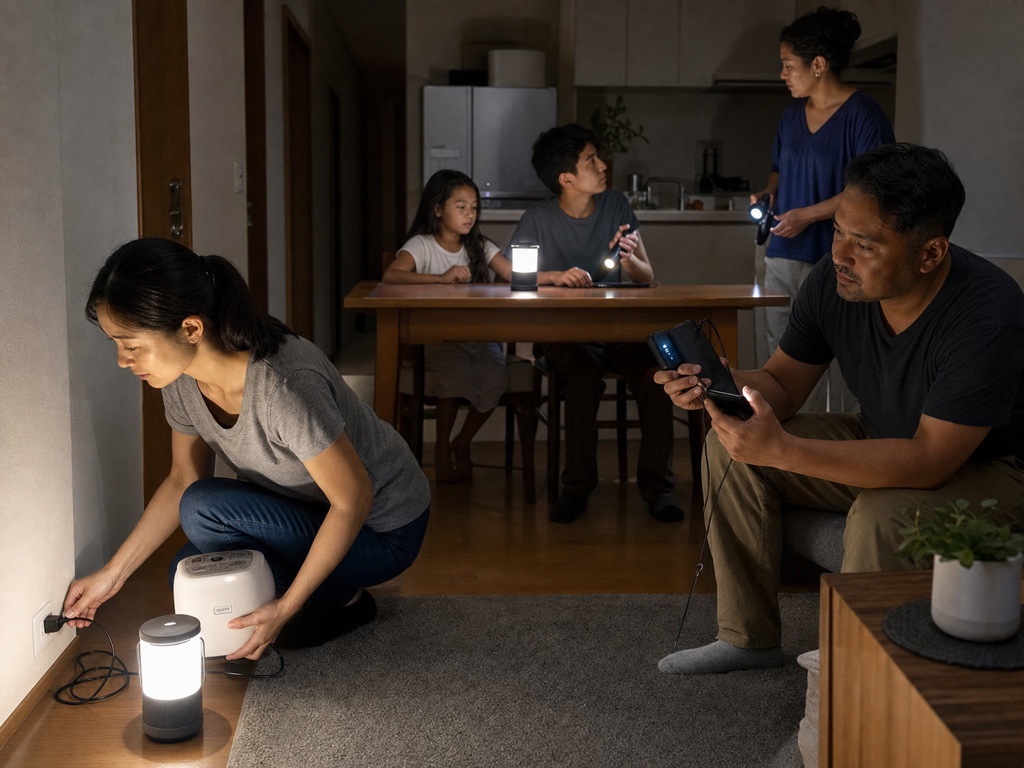
Much of Japan gets genuinely cold in winter, and some regions receive heavy snow. If a disaster or storm knocks out the power, your electric heating stops with it. Without a warm space, body temperature can fall over time, leading to hypothermia. This is especially dangerous for babies, older people, and anyone who is unwell. A little winter planning keeps you warm and safe even when the electricity is off.
Staying warm without power
The key idea is to trap body heat and warm a small space rather than a whole home. Keep these on hand:
- Warm layers — several thinner layers hold heat better than one thick one, and cover your head, hands, and feet.
- Blankets and emergency (aluminium) blankets — the thin reflective sheets pack small and reflect body heat back to you.
- Hand warmers (kairo) — the disposable stick-on type needs no power and lasts for hours. Keep a supply.
- Warm, non-electric bedding — thick futons and blankets so you can stay warm through the night without a heater.
Gather everyone into one room to share warmth, and close doors and curtains to keep the heat in.
Heater safety: avoid carbon-monoxide poisoning
Fuel-burning heaters are effective but demand respect. The most serious danger is carbon monoxide — a gas you cannot see or smell that can be deadly:
- Ventilate regularly when using a kerosene or gas heater indoors. Open a window a little from time to time to let fresh air in.
- Never use a charcoal grill or a camping stove indoors. These produce large amounts of carbon monoxide and are not designed for closed rooms.
- Keep flammable things away from any heater — curtains, bedding, clothing, and spray cans.
- Do not leave a burning heater unattended, especially overnight or when leaving the room.
Many modern Japanese heaters have an earthquake auto-shutoff that turns the heater off if strong shaking is detected. This is a helpful safety feature, but do not rely on it alone — still turn heaters off before you sleep or go out.
Signs of carbon-monoxide poisoning include headache, dizziness, nausea, and drowsiness in more than one person at once. If you suspect it, get everyone into fresh air immediately, and call for help.
Warm food, drinks, and charged devices
A hot drink or meal does a lot to keep spirits and body temperature up. A portable cassette gas stove lets you heat water and food without electricity — use it in a ventilated space and never leave it running unattended. Keep your phone and a power bank fully charged when bad weather is forecast, so you can still receive alerts and stay in contact if the power goes out.
If you live in a snow region
Heavy-snow areas have extra considerations. Roads and deliveries may be cut off for longer, so keep a little more food, water, and heating fuel in reserve. Be aware that snow can block vents and exhaust outlets, which raises the carbon-monoxide risk, and follow local guidance during heavy snowfall.
Where to go next
Disclaimer
This article is general information, not official advice. During an emergency, follow the latest instructions from Japanese national and local authorities.