Surviving the Japanese Summer: Preventing Heatstroke (Netsuchusho)
Japan's summer is hot and very humid, and heatstroke is a serious risk — especially if the power goes out and your air conditioning stops. Here is how to stay safe, spot trouble early, and act fast.
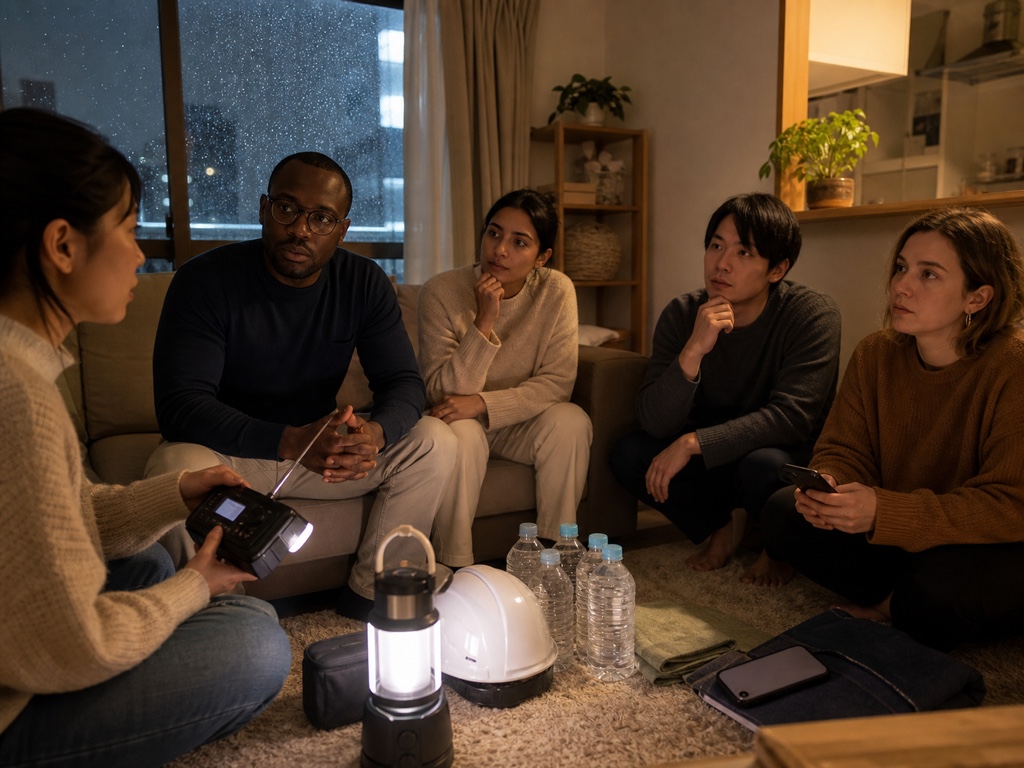
Japanese summers are not just hot — they are very humid. High humidity makes it harder for your body to cool itself through sweat, so heat builds up quickly. This can lead to netsuchusho (heatstroke), a condition that ranges from mild discomfort to a life-threatening emergency. Every summer, many people in Japan are taken to hospital because of it. The good news is that heatstroke is largely preventable once you know the basics.
Why the Japanese summer is so risky
From roughly June to September, temperatures and humidity stay high both day and night. Heat does not only affect people working or exercising outdoors — it also builds up indoors, especially in rooms without air conditioning. The danger grows sharply during a summer power outage, when air conditioning and fans stop working and homes can become dangerously hot. That is why heat safety and power-outage planning go hand in hand.
How to prevent heatstroke
A few simple habits make a big difference:
- Drink often, before you feel thirsty. Sip water throughout the day. When you sweat a lot, you also lose salts, so include an electrolyte or oral rehydration drink as well as plain water.
- Use your air conditioning — do not tough it out. Trying to save money by enduring the heat is a common and dangerous mistake, particularly for older people. Keep rooms cool.
- Avoid the midday sun. If you can, plan errands and outdoor activity for the early morning or evening, and rest in the shade.
- Wear light, loose, breathable clothing and a hat when outside.
- Use cooling items such as a cooling towel, a small fan, a cold water bottle, or a cool pack on your neck.
Warning signs to watch for
Heatstroke can come on gradually, so learn the early signals in yourself and others:
- Dizziness or feeling faint
- Headache
- Muscle cramps
- Nausea or vomiting
- Heavy sweating — or, in a serious case, the skin becomes hot and dry because sweating has stopped
- Confusion, slurred speech, or loss of consciousness
Confusion, fainting, or a body that has stopped sweating are signs of a medical emergency. Do not wait.
Basic first aid
If someone shows signs of heatstroke, act quickly:
- Move them to a cool, shaded, or air-conditioned place.
- Cool the body — loosen clothing, and apply cold packs or wet cloths to the neck, armpits, and groin. A fan and water misting also help.
- Give fluids with salts if the person is fully awake and able to drink. Never force liquids on someone who is confused or unconscious.
- Call 119 for an ambulance if the person is confused, cannot drink, is not improving, or has lost consciousness.
Children and older adults are the most vulnerable. Young children heat up faster and may not tell you they feel unwell, and never leave a child in a parked car. Older people often feel heat and thirst less strongly, so check on elderly neighbours and relatives during heat waves.
Heat and power outages
Because a summer blackout removes your air conditioning, a power outage during a heat wave is a real health risk, not just an inconvenience. Keep extra water and electrolyte drinks on hand, know where you can go to cool down if your home loses power, and plan ahead. Our power outage guide covers this in detail.
Where to go next
Disclaimer
This article is general health information, not medical advice. If you are worried about your health or someone else's, seek professional medical help. During an emergency, follow the latest instructions from Japanese national and local authorities.