What a Japanese Evacuation Shelter (Hinanjo) Is Really Like
If you ever need to leave home after a disaster, you may end up at a hinanjo, or evacuation shelter. Knowing what to expect makes the experience far less stressful. Here is an honest, practical overview.
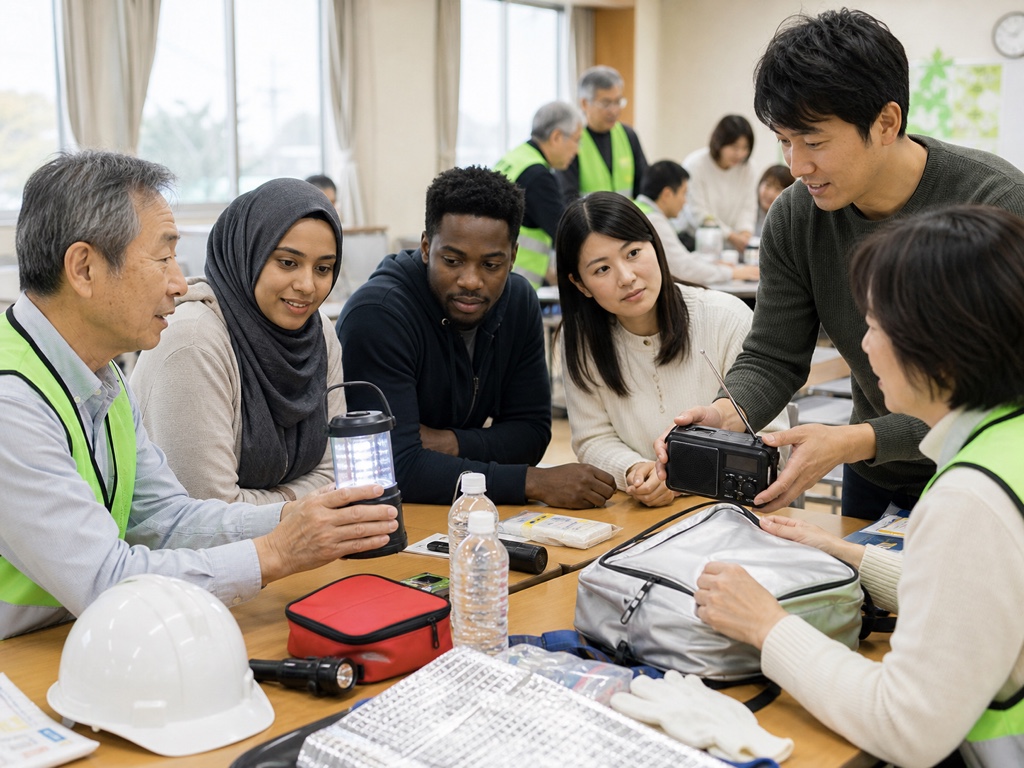
Most of the time, the safest choice after a disaster is to stay home if your home is undamaged. But when a building is unsafe, or authorities issue an evacuation order, you may need to move to a shelter. Understanding what a Japanese shelter is really like helps you decide calmly and pack the right things.
What a hinanjo is
A hinanjo is a designated evacuation shelter that a municipality opens after a disaster so people can stay there for a period of time. It is often a school gymnasium, community centre, or public hall. You sleep, eat, and wait there until it is safe to return home or move to longer-term housing. It is a place to shelter, not a hotel, so comfort is basic.
Open to everyone
Public shelters are for everyone in the affected area, including foreign residents, students, and travellers. You do not need to prove anything special to enter. If your Japanese is limited, staff and volunteers will often try to help, and many areas have multilingual signs or support during large events. You have every right to be there.
What to expect inside
Shelters are usually large shared spaces. Families sit and sleep on the floor, often on mats, with little privacy between groups. Supplies such as water, food, blankets, and toilets are provided where possible, but they can run short, especially in the first day or two before deliveries arrive. There are communal rules about noise, lights-out times, shared cleaning, and where to line up for supplies. Life is orderly but crowded, and patience helps everyone.
What to bring
Bring your grab-bag and think about comfort in a shared space:
- Any regular medication and a note of what you take.
- Water and some food, in case supplies are slow to arrive.
- A mask, indoor slippers, and a small towel.
- Earplugs and an eye mask for sleeping in a busy room.
- A power bank, cash, and copies of key documents.
- Comfort items, especially for children.
Two words that look similar: a hinan basho (evacuation site or refuge area) is an open, safe place you go to immediately to escape danger, such as a park or high ground. A hinanjo (shelter) is a building where you can stay afterwards. Your hazard map usually marks both.
Pets and special needs
Rules for pets vary a lot between municipalities. Some shelters accept pets in a separate area, others do not allow them inside at all, so check your local rules in advance and prepare a carrier and supplies. Many areas also plan for people with disabilities, older residents, and families with babies, but the level of support differs by location.
Find your nearest shelter now
Do not wait for a disaster to look this up. Your local hazard map shows the nearest evacuation sites and shelters and the safe routes to them. Walk the route once so you know it in the dark or in bad weather. Our guide on reading hazard maps explains how to find and understand yours.
Being a good community member
Shelters work because everyone cooperates. Follow the posted rules, keep shared areas clean, keep noise down at night, and offer help where you can. A friendly greeting and a willingness to join in cleaning or queueing go a long way, and they make it easier to ask for help when you need it. Conditions and rules vary by municipality, so watch for local notices.
Where to go next
Disclaimer
This article is general information, not official advice. During an emergency, follow the latest instructions from Japanese national and local authorities.