Tsunami Safety in Japan: Recognize, React, Evacuate
A tsunami can arrive within minutes of a strong earthquake. Knowing the warning signs — and moving to high ground without hesitation — is what keeps you safe.
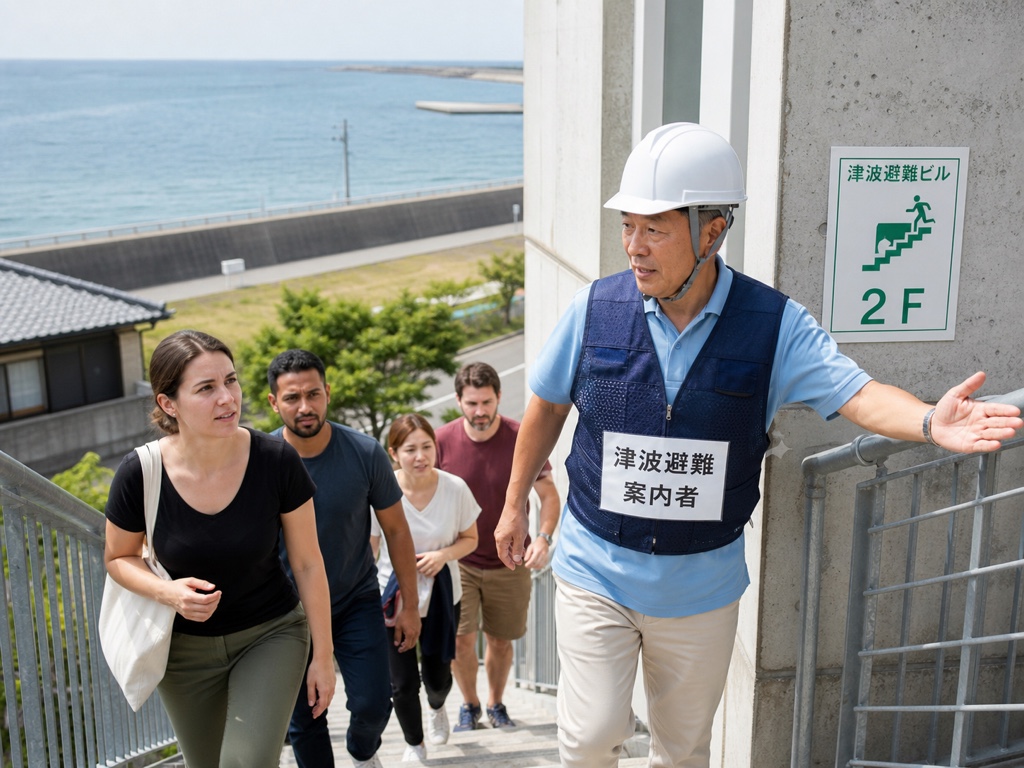
Japan sits along active ocean trenches, so tsunamis are a real risk anywhere near the coast. The most important thing to understand is that a tsunami is not a single wave you can watch and outrun. It is a fast, powerful surge of water that can arrive within minutes and return again and again. If you live, work, or travel near the sea in Japan, a few simple habits can save your life.
Understand the JMA warning levels
The Japan Meteorological Agency (JMA) issues three levels of tsunami information after an earthquake. From most to least serious, they are the Major Tsunami Warning, the Tsunami Warning, and the Tsunami Advisory. Any of these means the sea is dangerous and you should move away from the coast. Warnings appear on TV, radio, phone emergency alerts, and public loudspeakers, often in several languages. Do not wait for a "confirmed" wave before acting — the warning itself is your signal to move.
The single most important rule: if you are near the coast and feel strong shaking, or long and slow shaking, or if a warning is issued, evacuate immediately to high ground or a designated tsunami evacuation building or tower. Do not wait to see the wave, and do not go back for belongings.
Recognize the natural warning signs
Sometimes a tsunami arrives so quickly that an official warning has not yet reached you. Nature can warn you first. Strong shaking, or a long and slow rolling motion that lasts a while, may mean a large offshore earthquake. Another classic sign is an unusual, sudden withdrawal of the sea — the water pulling far back and exposing the seabed. If you ever see the ocean retreat like this, do not go to look. Turn around and get to high ground at once.
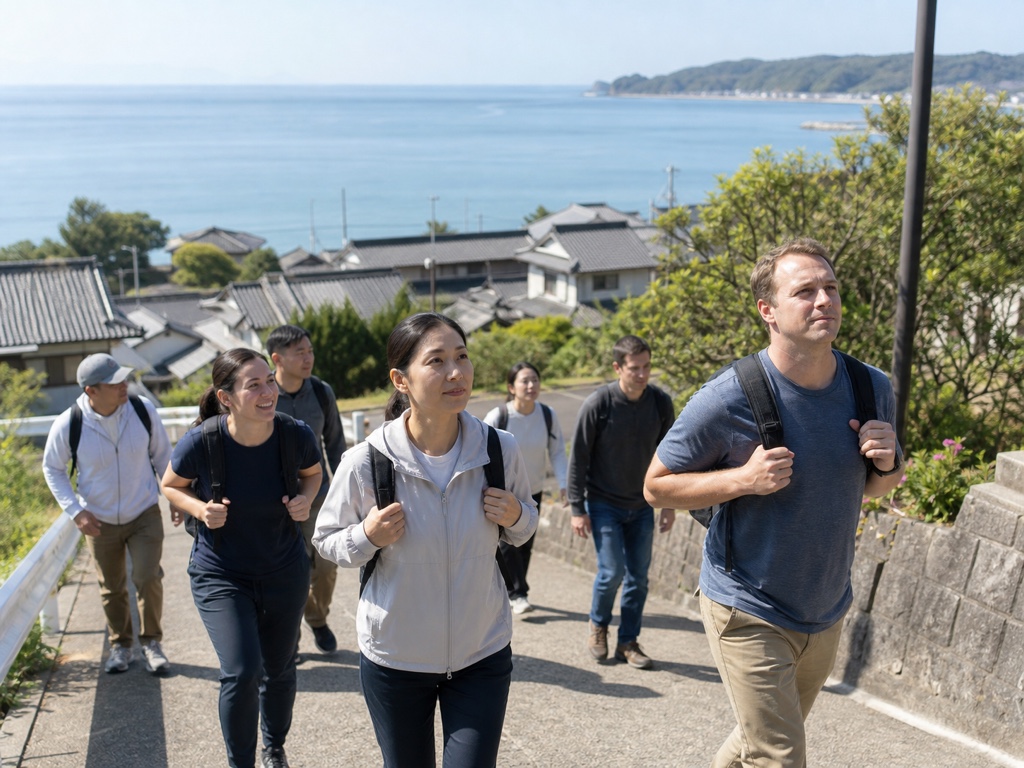
Evacuate: go high, go fast
When you evacuate, aim for the highest ground you can reach on foot. In many coastal towns you will see blue-and-white evacuation route signs that point the way to safe areas and to tsunami evacuation buildings or towers. Follow them. Walk or run rather than drive if you can — roads can jam quickly, and being stuck in traffic near the shore is dangerous. If you are already inland or up high, stay there.
Never underestimate a "small" tsunami. Even a wave of just tens of centimetres can knock an adult off their feet and sweep away cars. And tsunamis come in a series: the first wave is often not the largest, and later waves can be bigger. Stay in a safe place until authorities clearly say the danger has passed — not just until the first surge goes down.
Prepare before it happens
Preparation is what turns panic into fast, calm action. Look at your area's tsunami hazard map now and find your nearest high ground and the closest evacuation building. Walk the route once so your body already knows it. Learn to reach these places without your phone or a map, because in a real event you may have neither. If you have children, elderly family members, or anyone who needs extra time, plan for that in advance.
Public evacuation sites and emergency services in Japan are for everyone, regardless of nationality or language. You have every right to use them, and you do not need to explain yourself to move to safety.
Where to go next
Disclaimer
This article is general information, not official advice. During an emergency, follow the latest instructions from Japanese national and local authorities.