Disaster Prep in Rural Japan: When Help Is Farther Away
In the countryside, roads can be cut and help takes longer to arrive. The good news: rural life also gives you space, resources, and strong communities. Here is how to use them.
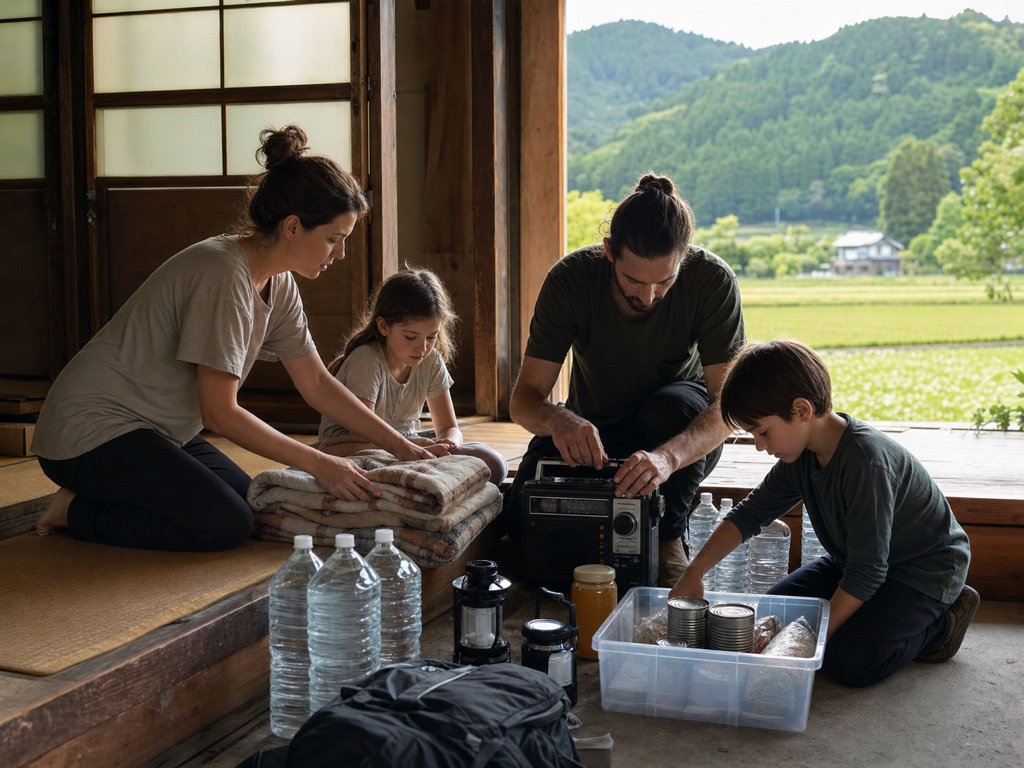
Life in the Japanese countryside is peaceful, but disaster preparation works a little differently than in the city. When something goes wrong, emergency services, supplies, and repair crews can take longer to reach you. Roads may be cut by landslides, flooding, or heavy snow, leaving your area isolated for days. The key idea is simple: in rural areas, plan to look after yourself for longer than a city dweller would.
Stock more than the urban minimum
City guides often suggest three days of supplies. In the countryside, that is not enough. Aim for at least 7 days of water, food, medicine, and fuel, and even more if your home can be cut off easily. Think about drinking water, food that needs no cooking, any prescription medicines, and fuel for heating and your vehicle. Our water calculator helps you work out exactly how much water to store for your household and the number of days you want to cover.
Use your rural advantages
Country living gives you real strengths in a disaster. You usually have more storage space, so keeping a week or more of supplies is easy. Many rural households own a car, which is a valuable resource: it can charge devices, provide shelter, and carry your family to safety. Keep the fuel tank at least half full so you are never caught short. Some homes also have a well or kerosene heating, which keep working when the power and water mains fail.
Know how to use a well, generator, or kerosene heater safely. Always ventilate when burning fuel indoors, and never run an engine or generator inside a closed space, because of the danger of carbon monoxide.
Your community is your safety net
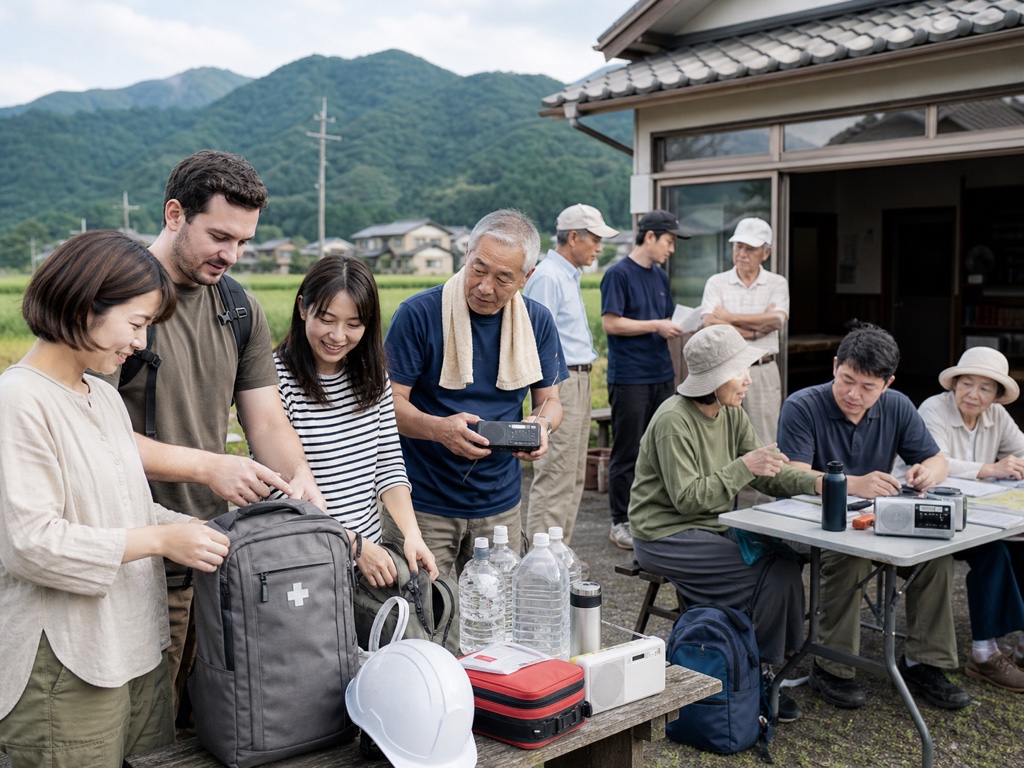
In rural areas, neighbours often reach each other long before official help arrives. This local self-help is called jishu-bosai, and it is one of the strongest tools you have. Get to know the people who live near you. Join local disaster drills so you learn the plan and meet the organisers. Agree in advance to check on elderly residents and anyone who lives alone, since they may need help to evacuate. A community that knows each other recovers far faster than one that does not.
Stay informed and know your site
When the power and mobile networks go down, information becomes hard to get. Keep a battery or hand-crank radio so you can hear local emergency broadcasts. Find out where your designated evacuation site is; in the countryside it may be farther from your home than a city shelter would be, so plan how you will get there. Write down the route and a backup route in case your first choice is blocked.
Check your local hazard risk
Mountain and valley areas often carry a higher risk of landslides and river flooding than flat city ground. Heavy rain can loosen slopes and swell rivers quickly. Check your local hazard map to see whether your home sits in a landslide or flood zone, and learn the warning signs so you can leave early. Our landslide safety article explains what to watch for and when to evacuate.
Building a resilient rural life
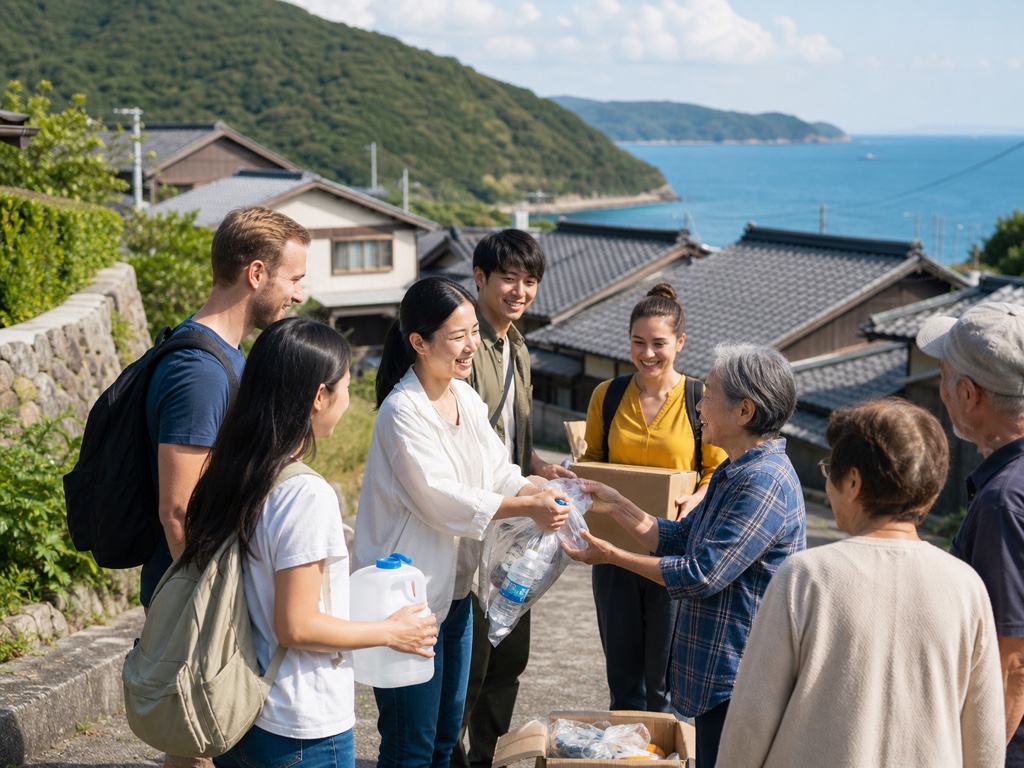
Rural preparedness is really about a mindset: expect to be self-reliant for a while, and turn your natural advantages into a plan. Keep a full week or more of supplies, look after your vehicle and any backup heating, and stay close to your neighbours. Build your kit step by step with our emergency kit guide. With a little planning, a remote home becomes one of the safest places to ride out a disaster.
Emergency services and public evacuation shelters are for everyone in Japan, regardless of nationality. If your area is cut off, still call 119 for fire and ambulance or 110 for police; help will come as soon as routes reopen.
Where to go next
Disclaimer
This article is general information, not official advice. During an emergency, follow the latest instructions from Japanese national and local authorities.