Landslides in Japan: Warning Signs and Safe Evacuation
Heavy rain is the main trigger for landslides in Japan. If you live on or below a steep slope, knowing the warning signs and evacuating early are your best protection.
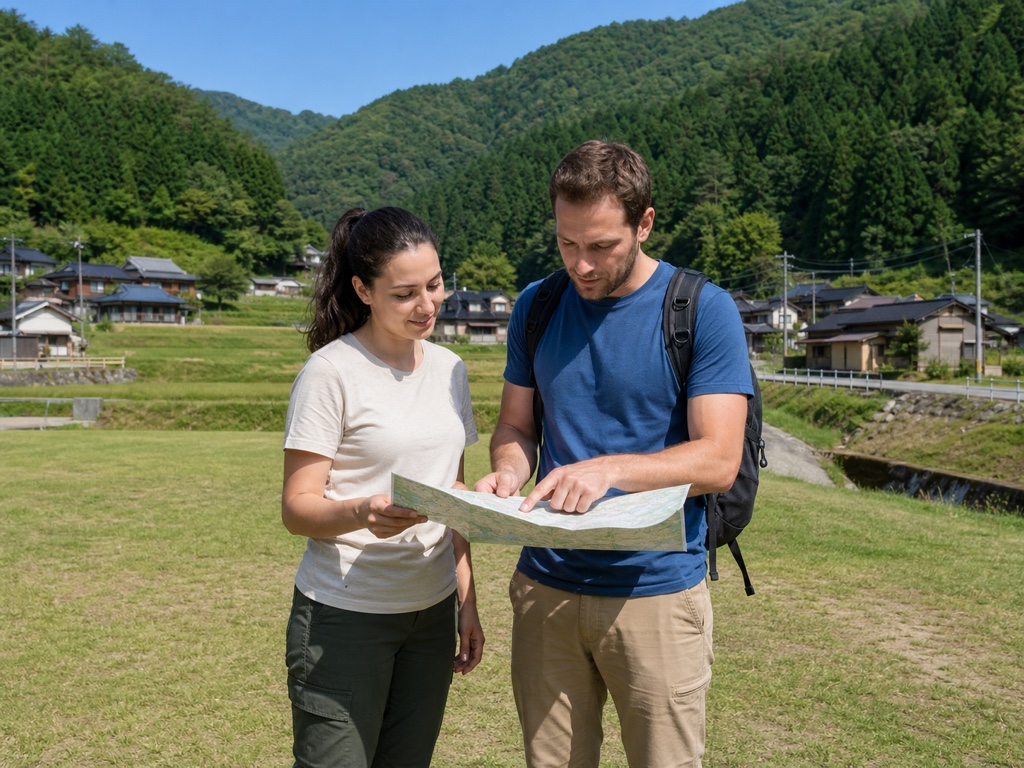
Much of Japan is mountainous, and heavy or prolonged rain can loosen soil and rock on steep ground. These "sediment disasters" happen most often on or below steep slopes and near mountain streams. They can strike with very little warning, so if your home is in a risky location, the time to understand them is now — not during the storm.
The three main types
Sediment disasters in Japan generally fall into three types. A debris flow (dosekiryu) is a fast river of mud, rocks, and water that rushes down a valley or stream, often with great force. A slope failure or cliff collapse (gake-kuzure) is when the surface of a steep slope suddenly gives way and falls. A slow landslide (jisuberi) is a larger mass of ground that moves more gradually downhill, sometimes over hours or days. All three can destroy buildings in their path.
Sediment Disaster Warning Information
When the risk of these disasters becomes high, prefectures and the Japan Meteorological Agency (JMA) jointly issue Sediment Disaster Warning Information (dosha saigai keikai joho). This is a strong signal that slopes in the area may be about to fail. Treat it as a clear cue to prepare to leave and to follow any evacuation information from your local government. Pay attention to TV, radio, phone alerts, and your city's emergency channels during heavy rain.
Warning signs before a collapse
Nature often gives small clues before the ground gives way. Possible warning signs include: cracks appearing in a slope; spring water turning muddy, or suddenly stopping, or suddenly increasing; small stones beginning to fall; or a rumbling sound from the slope or the ground. If you notice any of these, do not wait to understand why — move away from the slope immediately and get to safety.
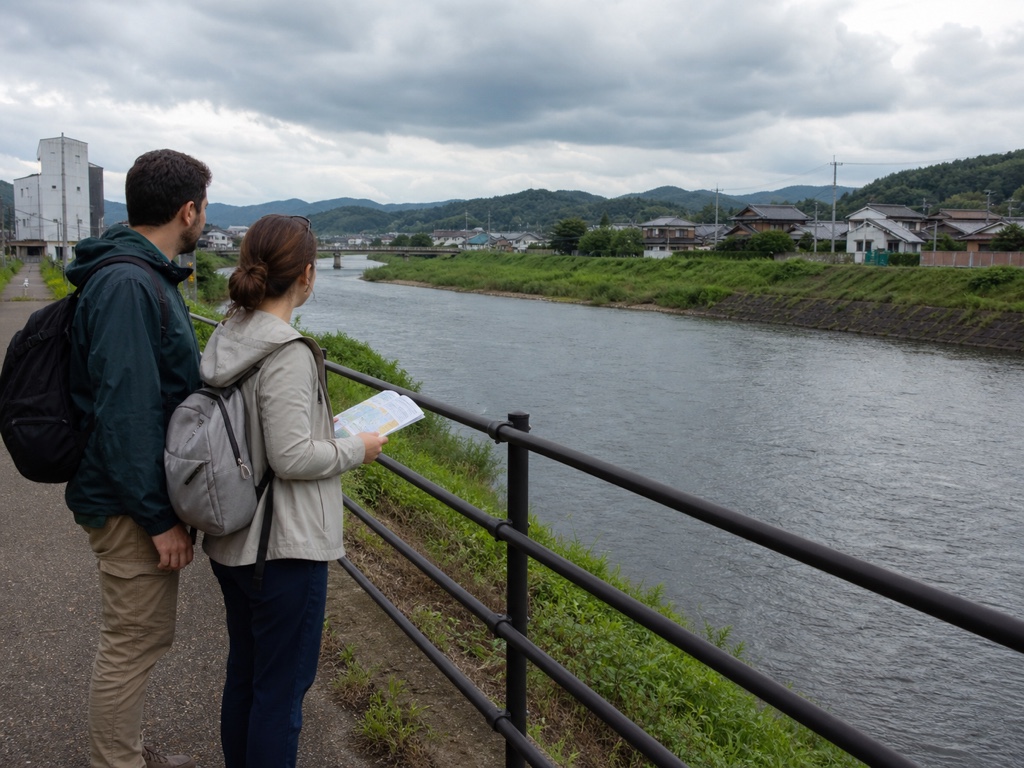
What to do: evacuate early
The safest choice is almost always to leave early, while roads are still clear and you can walk in daylight. Japan uses a five-level warning system for weather and evacuation. Act on evacuation information by Level 4, when local authorities issue an evacuation order — do not wait for Level 5, which means a disaster may already be happening. Take a grab-bag, wear sturdy shoes, and move to your designated evacuation site away from slopes and streams.
If it is already too dangerous to leave — for example, water is rising outside or the slope is failing — do not force your way out. As a last resort, move to a higher floor and to the side of the building away from the slope, and wait for help there.
Check your risk in advance
Every area publishes a hazard map. Check whether your home sits inside a designated sediment-disaster caution area or the stricter special-caution area. If it does, decide now where you would go and how you would get there on foot. Knowing this before the rain starts means you can act calmly and early, instead of making a hard decision in the dark during a storm.
Public evacuation sites and emergency services in Japan are for everyone, regardless of nationality or language. If you feel unsafe, it is always right to evacuate early.
Where to go next
Disclaimer
This article is general information, not official advice. During an emergency, follow the latest instructions from Japanese national and local authorities.