Disaster Prep for New Arrivals in Japan: Your First-Week Checklist
Settling into a new country is busy — but a little disaster preparedness in your first week gives real peace of mind. Here's a short, practical list you can finish in an afternoon.
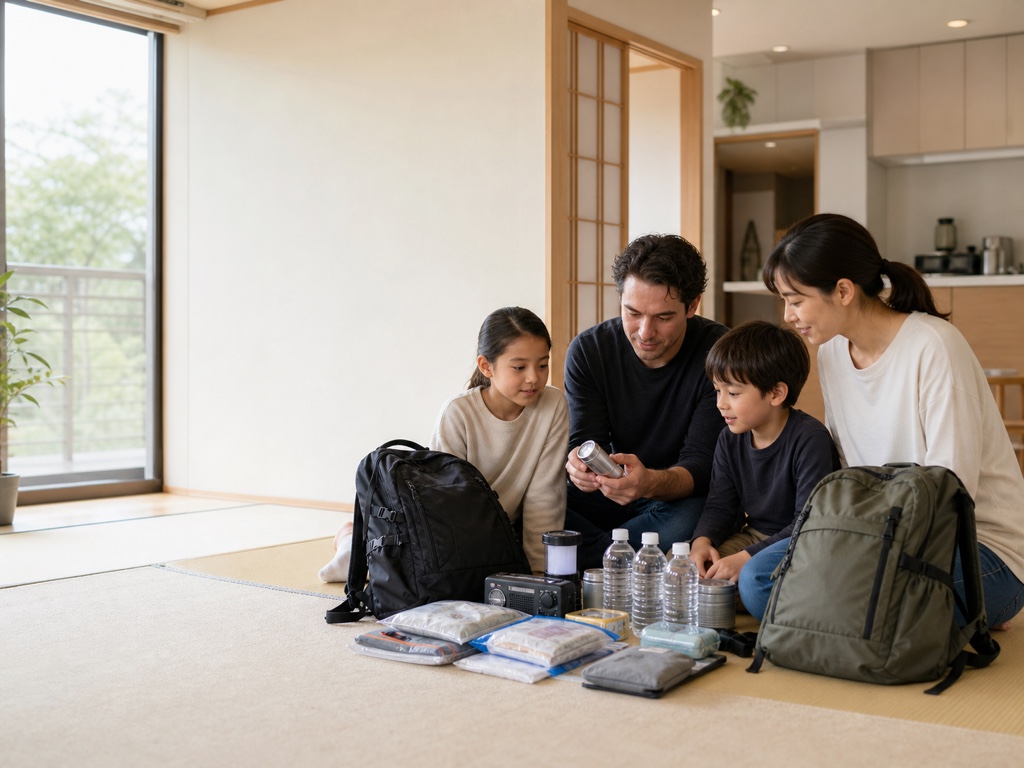
Japan is safe and well-organized, but it is also one of the most disaster-prone countries in the world. The good news: you do not need to do everything at once. Work through this checklist in your first week or two and you will already be ahead of most people.
1. Turn on emergency alerts
Japanese phones sold locally receive national emergency alerts (Earthquake Early Warning, evacuation orders) automatically. If you brought a phone from abroad, check that emergency and government alert notifications are enabled in your settings. Also register for your city's emergency email or app — most municipalities offer one, and many provide it in several languages.
2. Check your local hazard map
Every municipality publishes a hazard map showing risks of flooding, landslides, and other hazards, plus the nearest evacuation sites. Find yours on your city's website or the national Hazard Map Portal. Note the closest hinanjo (evacuation shelter) to your home and how to walk there.
3. Store water and a few days of food
Aim for 3 litres of drinking water per person per day for at least 3 days. For food, use "rolling stock": simply keep a little extra of the things you already eat and replace the oldest first. Our water calculator and food calculator give you exact numbers.
4. Pack a grab-bag
Put the essentials in one bag by the door so you can leave quickly: flashlight, power bank, some water and snacks, a copy of your documents, cash, any medication, and a portable toilet. Use our emergency kit checklist to track it.
5. Sort your documents and contacts
Keep copies (paper and photo) of your residence card, passport, and health insurance card. Save your embassy's contact details, your workplace or school's emergency contact, and one friend or family member outside your region who everyone can check in with.
6. Make an emergency contact card
If your Japanese is limited, a small card that says who to call and notes any allergies or medical needs can be a lifesaver. Create one for free with our Emergency Contact Card generator — everything stays in your browser.
Emergency services (110 police, 119 fire & ambulance) and public evacuation shelters are for everyone in Japan, regardless of nationality. You have every right to use them.
Where to go next
Disclaimer
This article is general information, not official advice. During an emergency, follow the latest instructions from Japanese national and local authorities.