Multilingual Disaster Information for Foreign Residents
When a disaster happens, information moves fast — and most of it is in Japanese. Here is how to set things up in advance so that warnings and instructions reach you in a language you understand.
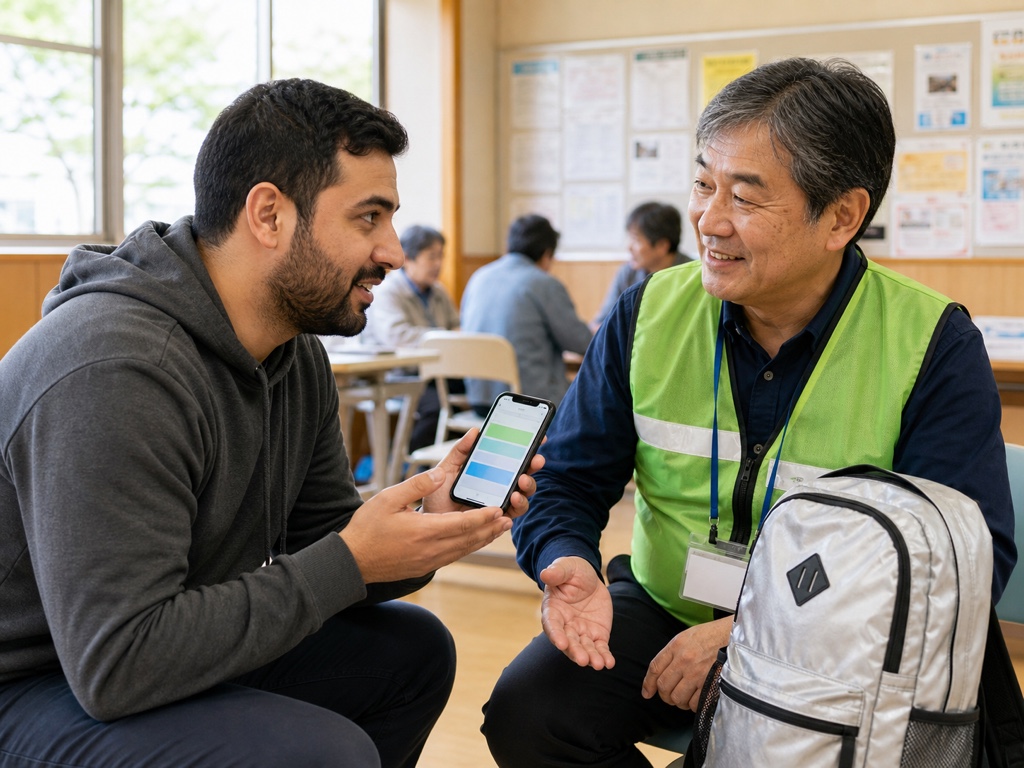
You do not need to speak fluent Japanese to stay safe during a disaster. Japan has steadily improved multilingual support, and there are several free tools you can prepare now. The key is to set them up before anything happens, so the information simply arrives when you need it.
1. Turn on emergency alerts on your phone
Phones sold in Japan receive national emergency alerts automatically, including Earthquake Early Warnings and evacuation orders sent to your area. These alerts appear on screen with a loud sound, even if your phone is on silent. If you brought a phone from abroad, open your settings and make sure emergency and government alert notifications are switched on. Some phones can display these alerts in English or translate them, so check the language options in your notification settings.
2. Register for your city's multilingual alerts
Most municipalities offer their own disaster alert service by email or app, and many now provide it in several languages. This is often where you get the most local and specific information — for example, which shelter has opened near you. Look on your city or ward's website for a disaster or "bousai" email or app registration page, and choose your preferred language if that option is offered. Because every municipality is different, check exactly what yours provides.
3. Use national multilingual apps and broadcasts
Japan offers multilingual disaster and safety apps aimed at both residents and visitors. These typically push earthquake, tsunami, and weather warnings in multiple languages and explain what each warning means. Japan's public broadcaster also provides emergency information in several languages during major disasters, through its apps, website, and broadcasts. Rather than relying on one app name, search the official app store for well-reviewed disaster apps and confirm they are from a recognized public or government source before you depend on them.
Set up at least two sources of alerts — for example, your phone's built-in alerts plus your city's service. If one is delayed or you miss it, the other can still reach you.
4. Contact your local International Association
Many areas have an International Association (kokusai koryu kyokai), often run with the local government. In normal times they help with daily life, language classes, and consultations in several languages. During and after a disaster, many of them share multilingual information and offer support to foreign residents. It is worth finding yours now, saving their contact details, and following any channels they use to post updates.
5. Interpretation when you call 110 or 119
If you need the police (110) or fire and ambulance (119), do not avoid calling because of language. In many areas, these services can bring in interpretation support so you can be understood in your language, though the exact setup varies by region. Speak slowly, give your location clearly, and stay on the line. Carrying a simple emergency contact card with your address and any medical needs also helps a great deal.
Check what YOUR municipality offers
The single most useful step is to confirm what is actually available where you live. Services, languages, and apps differ from city to city, so a friend's setup in another prefecture may not match yours. Spend a little time on your municipality's website today, and note down which alerts and support you have signed up for.
Where to go next
Disclaimer
This article is general information, not official advice. During an emergency, follow the latest instructions from Japanese national and local authorities.