Island Life in Japan: Preparing When You Depend on Ferries and Supplies
On Japan's smaller islands, everyday life runs on ferries and regular deliveries. When a storm arrives, that lifeline can stop for days — so islanders need a bigger safety buffer than city dwellers.
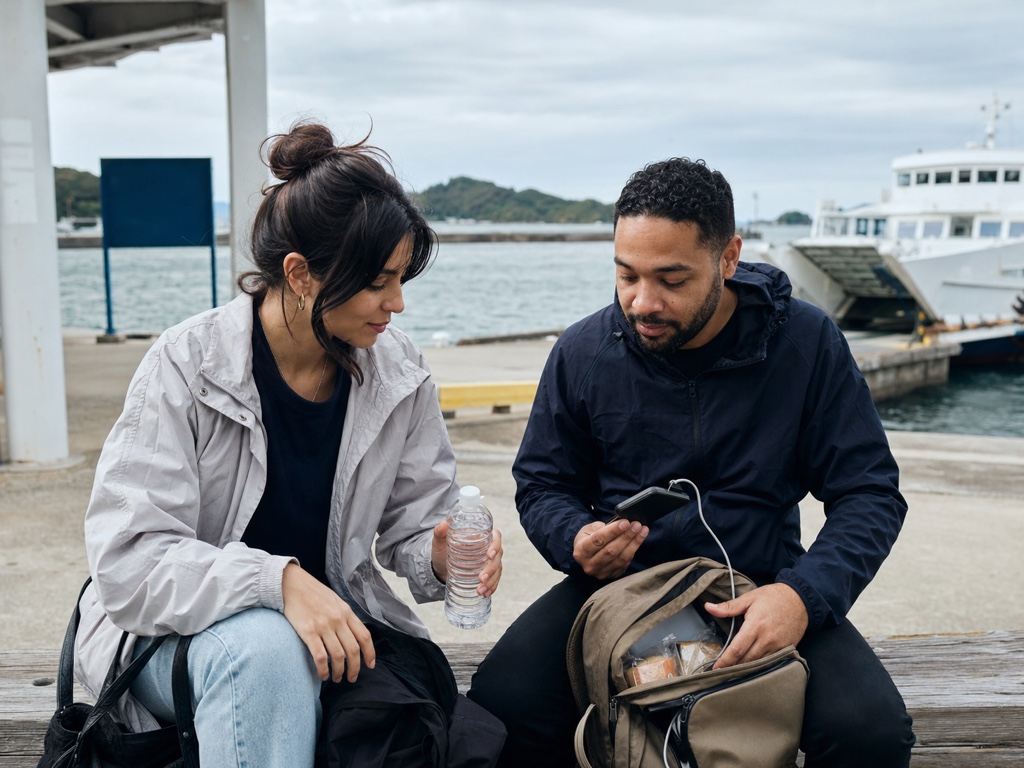
If you live on one of Japan's smaller islands, you already know how much daily life depends on the sea. Fresh food, fuel, medicine, and even mail arrive by ferry or periodic delivery. Most of the time this works smoothly. But when a typhoon approaches or the seas turn rough, ferries and flights can be cancelled for days at a time. That is the situation you need to prepare for.
Why islands need a bigger buffer
City residents are usually told to keep about three days of supplies. On an island, that may not be enough. Rough weather can stop boats for several days in a row, and once a storm is close it may already be too late to leave. Outside help — repair crews, extra supplies, medical support — can be hours away by boat, if it can come at all. This means you should plan to be self-sufficient for longer.
A good target is one to two weeks of water, food, and fuel. It sounds like a lot, but you can build it up slowly by buying a little extra each time supplies arrive and replacing the oldest items first.
Water, food, and fuel
Store drinking water for one to two weeks per person, plus extra for cooking and washing. Keep a stock of food that does not need refrigeration and that your family will actually eat. If you rely on a generator, a stove, or a vehicle, keep enough fuel on hand — safely stored — because fuel deliveries stop when the ferries do. Our emergency kit guide can help you plan the full list.
Medicine and health
This is one of the most important points for island life. Always refill prescription medicine well before it runs low, not on the last day. If a ferry cancellation stretches to a week, you do not want to be waiting on a delivery that cannot come. Keep a small home first-aid supply and note where the nearest clinic is and its hours.
Keep cash and a way to get information
When power or communication lines go down, card readers and ATMs may stop working. Keep enough cash at home to cover essentials for the buffer period. A battery-powered or hand-crank radio is also valuable, because local radio often carries the clearest information about ferry status, weather, and evacuation instructions when the internet is unreliable.
Stock up before the storm, not during it
Watch the forecast closely during typhoon season. The time to top up water, food, fuel, and medicine is before a typhoon is near — while ferries are still running and shops are still stocked. Once warnings are issued, shelves empty quickly and boats stop. Our typhoon guide explains how to read the warnings and time your preparations.
Low-lying islands and coastal areas can face tsunami and storm-surge risk, and high ground may be limited. Learn your island's designated evacuation site and the route to reach it before an emergency — do not wait until water is rising to figure it out. See our tsunami safety article for more.
Community self-help matters most
When outside help is hours away, neighbours become your first responders. Get to know the people around you, especially elderly residents who may need help evacuating or refilling medicine. Small island communities often have strong local networks — take part in local drills and know who to check on. This kind of mutual help can make the biggest difference in the first hours and days.
Where to go next
Disclaimer
This article is general information, not official advice. During an emergency, follow the latest instructions from Japanese national and local authorities.