How to Use Japan's 171 Disaster Message Dial
When a major disaster strikes, ordinary phone calls often fail because so many people call at once. The 171 Disaster Message Dial gives your family a simple way to leave and hear short voice messages. Here is how it works.
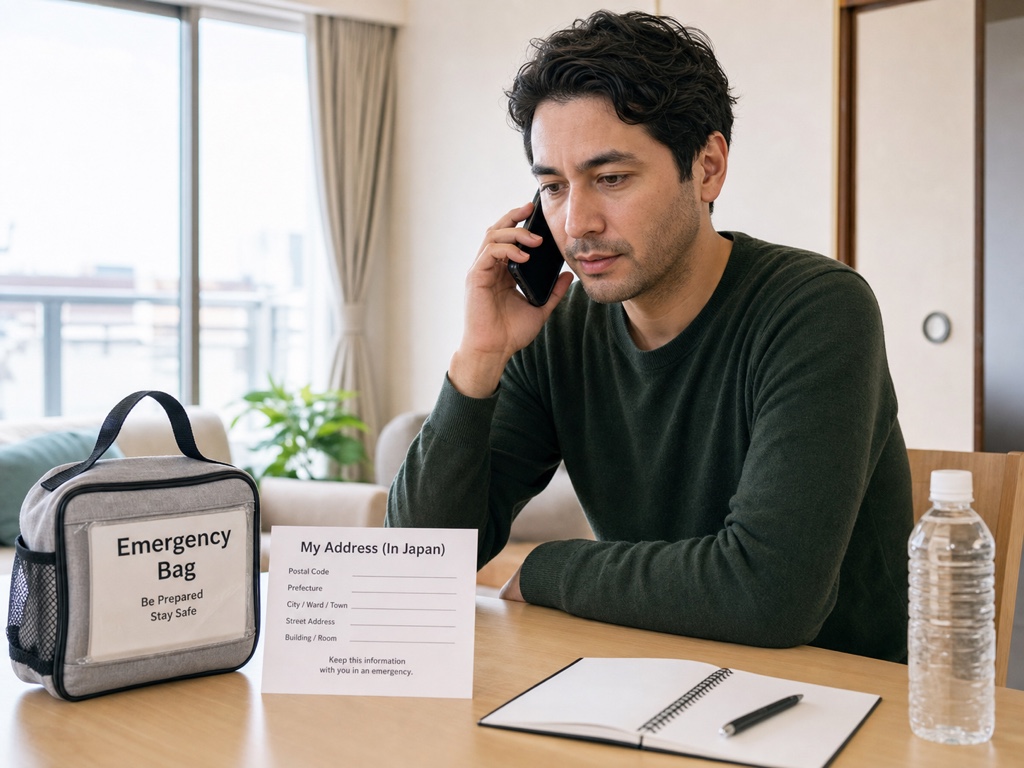
After a large earthquake or other disaster, everyone tries to reach loved ones at the same moment. Phone networks become congested, and normal calls and messages may not get through for hours. Japan has a special service for exactly this situation: the 171 Disaster Message Dial. Instead of a live call, it lets you record a short voice message linked to a phone number, so family members can call in later and play it back.
What the 171 Disaster Message Dial is
171 is a voice message service that is switched on when a large disaster happens. It works like a shared voice mailbox tied to a single phone number. One person records a short message such as "We are safe and at home." Others who know that phone number can then dial 171 and listen to it. This takes far less network capacity than a live call, so it often works when regular calls do not.
The basic flow
The service uses simple voice guidance. The general steps are:
- Dial 171 on any phone.
- Listen to the guidance. Press 1 to record a message, or 2 to play back messages.
- Enter the agreed phone number (usually the home or a family member's number), following the voice prompts.
- Record or listen to the short message, then hang up.
The guidance is mainly in Japanese, so it helps to know these steps in advance. Keep your message short and clear: where you are, that you are safe, and what you plan to do next.
Agree on one "key" phone number
The whole system depends on everyone using the same phone number as the key. If one person records under the home number and another looks under a mobile number, they will not find each other's messages. Sit down with your household now and decide which single number you will all use. Writing it on your family plan and in each person's phone means no one has to guess during the stress of a real event.
The 171 service is for everyone in Japan, including foreign residents and visitors. You do not need a special account or registration to use it.
Practice before you need it
You can try 171 on its regular practice days so the steps feel familiar. It is commonly available for practice on the 1st and 15th of each month, and during certain disaster-preparedness periods. Availability can change, so confirm the current practice schedule with your phone provider or the official source before relying on a specific date. Practising once with your family removes a lot of confusion later.
There is also a web message board
Alongside the voice service, there is a web-based disaster message board that lets you post and read short text messages during a disaster. It works from a smartphone or computer and can be useful when you would rather type than speak. Details vary by provider, so it is worth checking how yours works while things are calm.
Get the whole household involved
A tool only helps if everyone knows it exists. Make sure each family member, including children and older relatives, knows to dial 171 and which key number to enter. Store this article and your family emergency plan where everyone can find them, and keep your emergency numbers saved in every phone.
Where to go next
Disclaimer
This article is general information, not official advice. During an emergency, follow the latest instructions from Japanese national and local authorities.