Coastal Living in Japan: Storm Surge, High Waves, and Tsunami Readiness
Living near the sea is beautiful, but the coast brings its own hazards. Here is what storm surge, high waves, and tsunami are, and the simple rules that keep you safe.
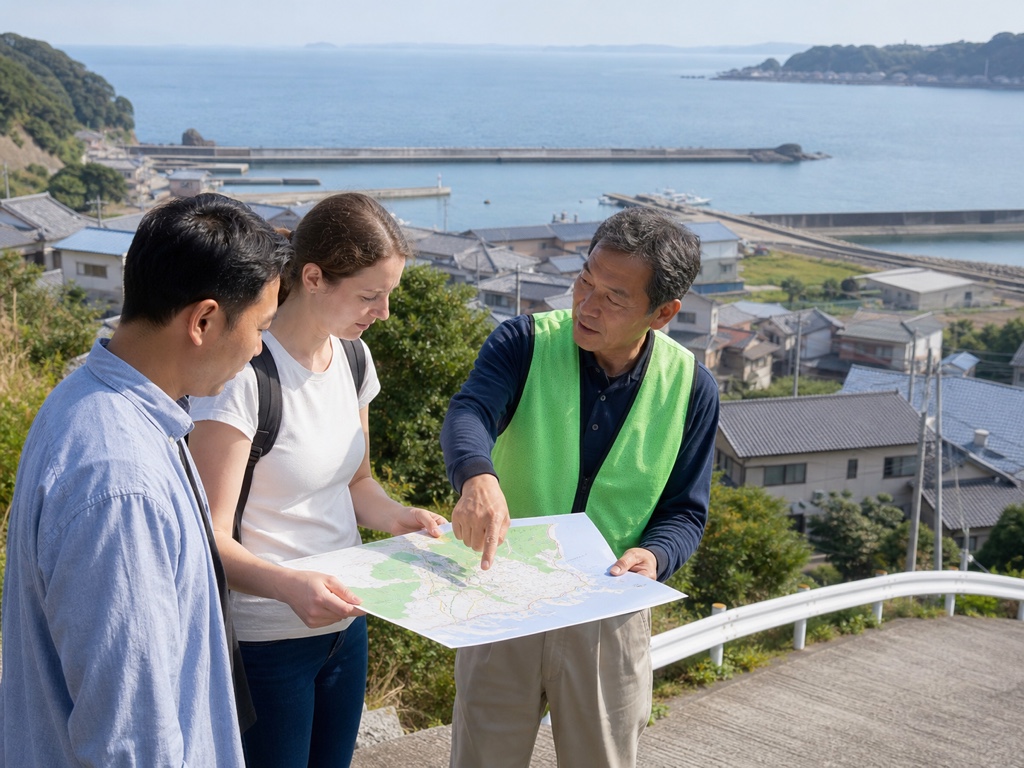
If your home is near the coast in Japan, you enjoy fresh sea air and lovely views. But the same location also faces hazards that people living inland do not. The three main coastal dangers are storm surge, high waves, and tsunami. They are not the same thing, and understanding the difference helps you react correctly. This guide explains each one in plain language and gives you clear safety rules.
What is storm surge (takashio)?
Storm surge, called takashio in Japanese, happens when a typhoon's low pressure and strong onshore winds push and pile seawater up against the coast. This raises the sea level well above the normal tide. It is most dangerous when it arrives at the same time as high tide, because the two combine. When that happens, low-lying coastal land can flood very quickly. Storm surge is a weather event: it comes with a typhoon or a strong low-pressure system, so you usually get some warning in advance.
High waves (takanami) can sweep you away
High waves, or takanami, are large waves whipped up by strong winds far out at sea. They can arrive even when the weather where you are still looks calm. High waves are powerful enough to sweep people off breakwaters, piers, and beaches in an instant. Every year, people are pulled into the sea while standing near the water during rough conditions. You do not need to be swimming to be in danger; simply standing on a wet breakwater is enough.
Watch the weather and the sea
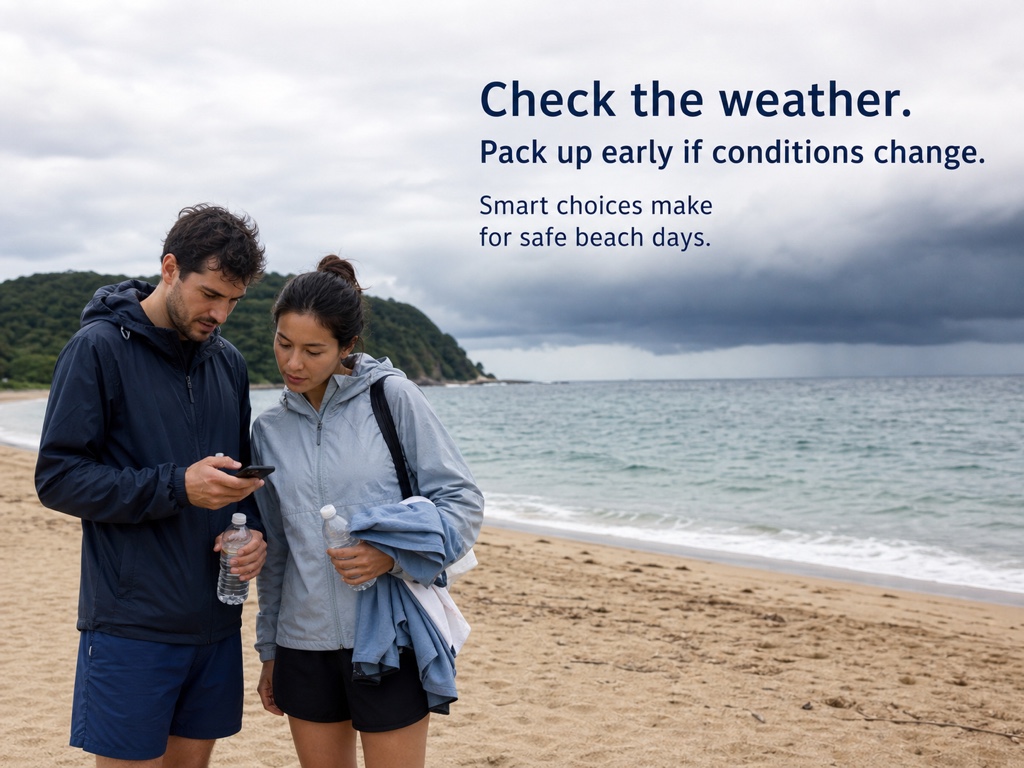
When a typhoon or strong wind system is approaching, follow local forecasts and warnings closely. Pay attention to storm-surge warnings, high-wave warnings, and any evacuation information from your city. The sea can change from calm to dangerous much faster than most people expect. If forecasts mention a typhoon, assume the coast will become risky, and plan to stay away from the water well before conditions worsen. Our typhoon guide explains how to read these warnings and prepare your home.
Never go to the shore, harbor, or seawall to watch or photograph a typhoon or big waves. This causes preventable deaths in Japan every year. There is nothing to see that is worth your life. Stay well back from the water.
Prepare before a storm arrives
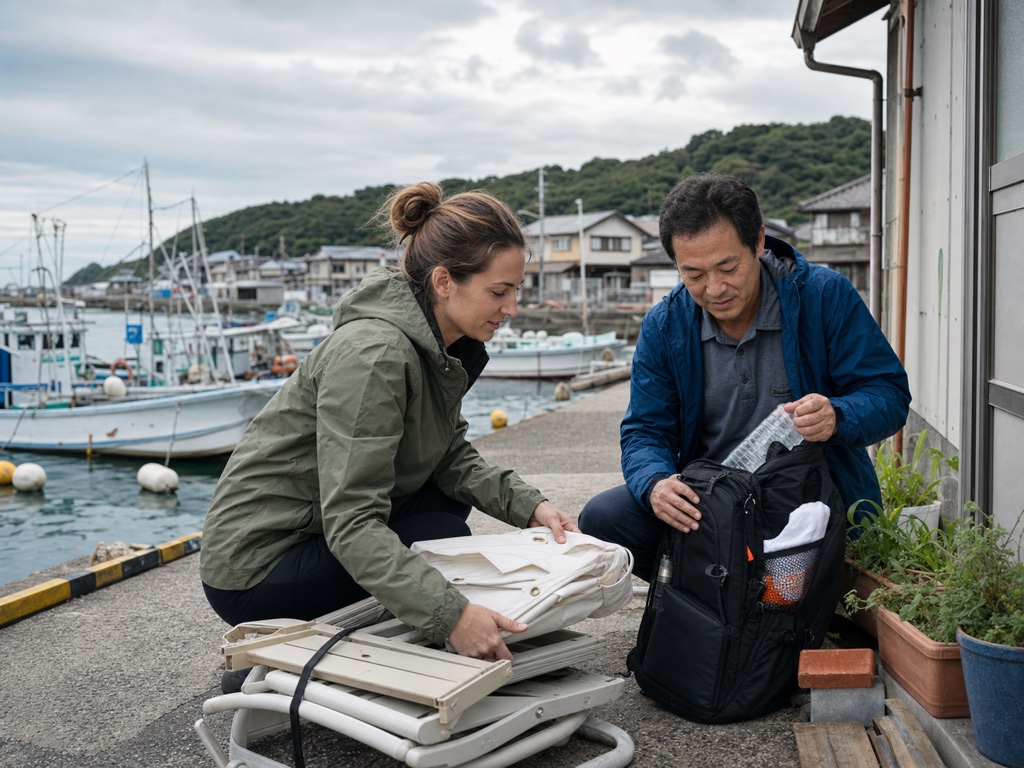
Do your coastal preparation early, while the weather is still fine. Secure or bring inside anything the wind could carry away, such as boats, gear, and outdoor furniture. If you live in a low-lying area, know where the water is likely to reach. Most importantly, evacuate low coastal areas early when authorities issue evacuation information. Do not wait until the water is already rising, because roads may flood and become impossible to cross. Leaving early, calmly, and in daylight is always safer than a last-minute escape.
Tsunami is different from the weather
A tsunami is not caused by wind or a typhoon. It is usually caused by an earthquake under or near the sea. This means it can arrive on a clear, calm day with no storm at all. The rule is simple and vital: after strong or long shaking near the coast, do not wait for an official warning. Evacuate to high ground immediately, on foot if you can, and keep going up. For the full steps, read our tsunami safety article.
Know your hazard map and routes
Every coastal community has hazard maps that show where storm surge and tsunami are expected to flood. Find yours and note which areas are at risk, where the nearest high ground or evacuation site is, and the safest route to reach it. Practise walking that route so it feels familiar. Our guide on reading hazard maps shows you how to understand the colours and symbols. Knowing your route in advance saves precious minutes when every second counts.
Storm surge and high waves come with the weather, so you can prepare and leave early. Tsunami can strike suddenly after shaking. In both cases, moving away from the water early is the safest choice.
Where to go next
Disclaimer
This article is general information, not official advice. During an emergency, follow the latest instructions from Japanese national and local authorities.