Typhoon Season in Japan: A Month-by-Month Survival Guide
Unlike earthquakes, typhoons give you warning. That is a gift — it means you can prepare calmly in the days before a storm arrives. Here is what to do through the season and around each typhoon.
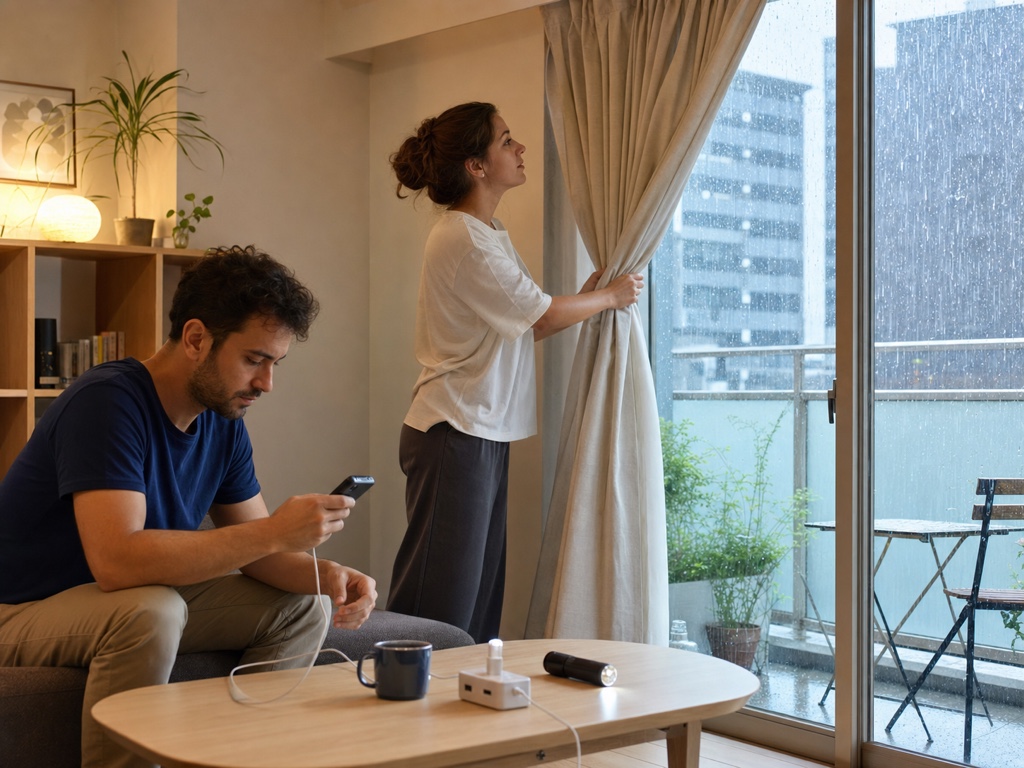
Typhoons are a normal part of life in Japan. They bring strong winds, heavy rain, flooding, and sometimes landslides. The most important thing to understand is that typhoons are forecast days in advance, so you almost always have time to get ready. Preparation, not panic, is what keeps you safe.
When is typhoon season?
Typhoon season in Japan runs roughly from summer into autumn, with the most active period usually around late summer and early autumn (about August through September and into October). Storms can form outside this window too, and not every year is the same, so treat these months as a general guide rather than a fixed rule. During the season, get into the habit of checking the weather forecast regularly.
Days before: prepare early
When a typhoon is forecast to approach, use the lead time well:
- Charge your phone, power banks, and any battery-powered lights.
- Stock a few days of drinking water and food that needs no cooking.
- Check your local hazard map and confirm your nearest evacuation site and the route to it.
- Review your grab-bag so essentials are ready by the door.
The day before: secure your home
As the storm gets closer, focus on your building and surroundings. Bring in or tie down anything on your balcony or outside — plant pots, laundry poles, bicycles, and loose items can become dangerous in high winds. Close and lock windows and shutters. If you do not have shutters, you can reinforce large windows and keep curtains closed to reduce the risk from broken glass. Fill a bathtub or containers with water in case supply is interrupted, and make sure your devices are fully charged.
Japan uses a 5-level warning and evacuation system. When authorities issue evacuation information for your area, act on it promptly — do not wait to see how bad it gets. Always follow the latest local instructions.
During the storm: stay indoors
Once the typhoon arrives, the safest place is usually indoors, away from windows and glass doors. Do not go outside to check on things unless you have been told to evacuate. Stay well away from rivers, canals, the coast, and underpasses, which can flood quickly and without warning. Never try to walk or drive through flooded roads — moving water is far more powerful than it looks. Keep your phone on and your alerts active so you receive any evacuation orders.
After the storm: stay cautious
Danger does not end when the wind drops. Heavy rain can keep causing flooding and landslides for hours or even days afterward, especially in hilly and mountainous areas. Watch and listen for official warnings before you relax. Avoid flooded or damaged areas, downed power lines, and unstable slopes. If you evacuated, wait until authorities say it is safe before returning home.
Where to go next
Disclaimer
This article is general information, not official advice. During an emergency, follow the latest instructions from Japanese national and local authorities.