Stranded in the City: What to Do If You Can't Get Home After an Earthquake
When a big earthquake stops the trains, millions of people cannot get home. The safest first move is usually to stay where you are. Here is why, and how to prepare.
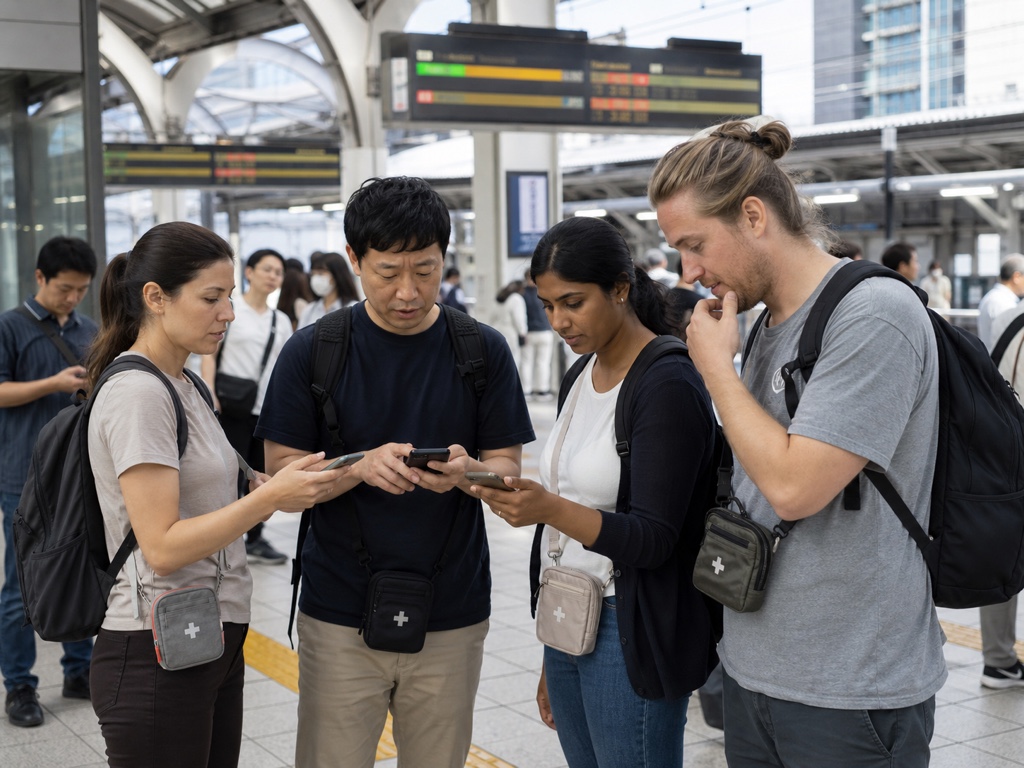
Imagine a large earthquake hits during the working day in a city like Tokyo. Within minutes the trains stop. Roads fill with cars and people. Millions of commuters, students, and shoppers suddenly cannot get home. In Japanese these people are called kitaku konnansha — "people who have difficulty returning home". If you live or work in a big Japanese city, one day you may be one of them.
First rule: do not rush to walk home
It feels natural to want to leave straight away and start walking home to your family. But official guidance in Tokyo is the opposite: do not move recklessly. If huge crowds all pour onto the streets at once, they block the roads that fire engines, ambulances, and rescue teams need. Walking long distances during and after a major quake is also dangerous — there may be aftershocks, fires, broken glass, and falling objects from buildings.
Instead, if the place you are in is safe, the advice is to stay there for around three days if you can, until the transport network and reliable information have recovered. This is why many workplaces are asked to keep about three days of water and food for their staff, so people can safely wait in the office.
If you have nowhere safe to wait, cities designate "temporary stay facilities" — public buildings that open to shelter stranded people until they can travel again. Follow official announcements to find the nearest one.
Agree how to check in with family
Right after a big quake, phone lines are usually overloaded, and you probably will not be able to reunite with your family quickly. Decide in advance that you will not try to rush to each other. Instead, agree to leave short messages on the disaster message service — dial 171 to record and play back voice messages — or use a messaging app, which often works when calls do not. Knowing everyone is safe removes the pressure to travel before it is safe to do so.
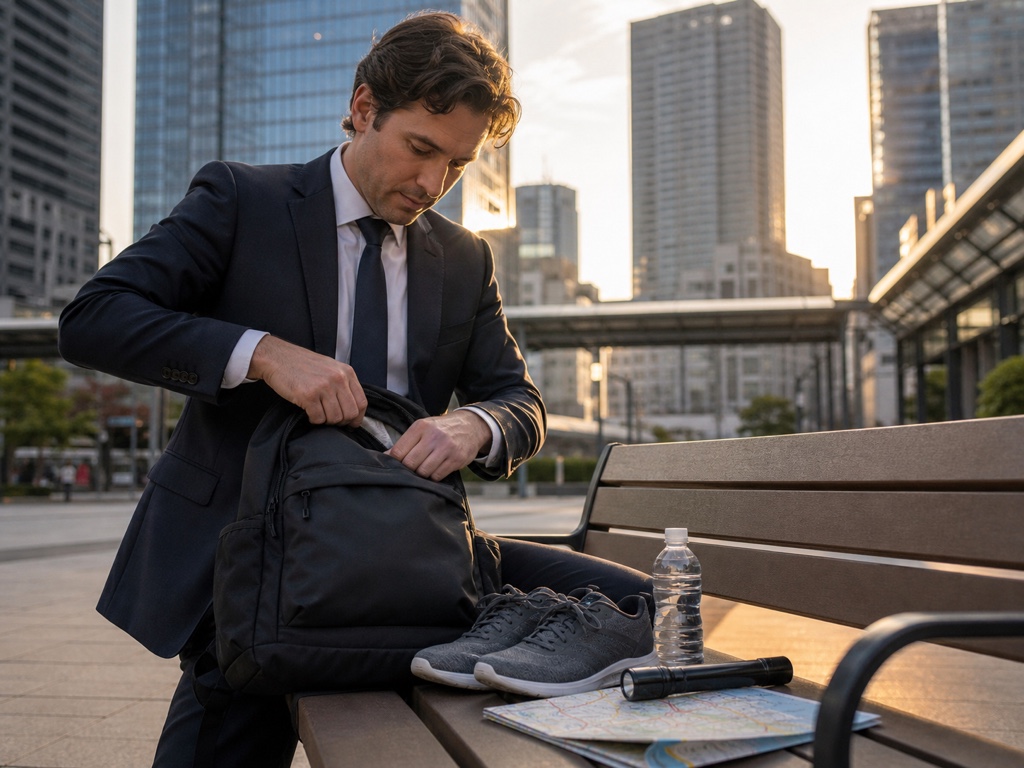
What to keep at work or school
Because you may need to wait for a few days, or eventually walk a long way, it helps to keep a small kit where you spend your days:
- Comfortable walking shoes — dress shoes are painful over long distances.
- Water and some snacks to get you through waiting or walking.
- A charged power bank so your phone keeps working for information and messages.
- A paper map of your area — phone maps fail when the battery dies or networks are down.
- A small light, a warm layer, and any medication you need.
It also helps to know your walking route home before you ever need it. Along major routes you may find "disaster support stations" — some convenience stores and gas stations agree to offer water, toilets, and information to people trying to get home. Look for the posted signs.
Where to go next
Disclaimer
This article is general information, not official advice. During an emergency, follow the latest instructions from Japanese national and local authorities.