Disaster Prep for a Small Japanese Apartment
Many students and new residents in Japan live in compact apartments where storage is tight. You do not need a spare room to be well prepared — you just need to be smart about space.
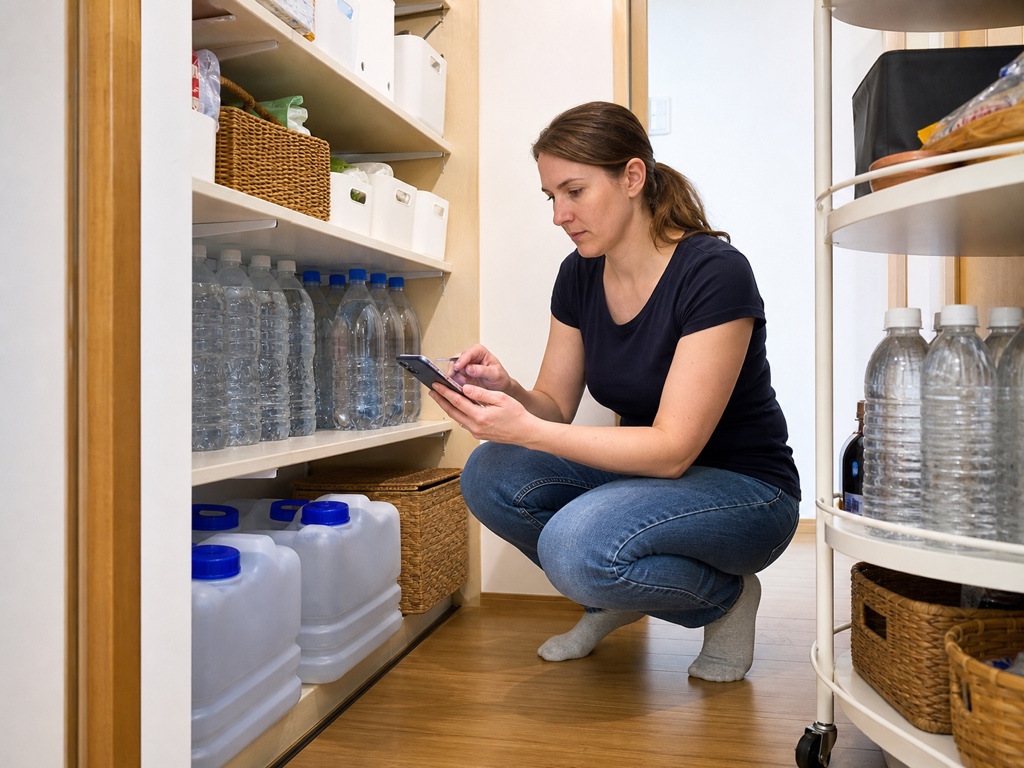
A small apartment is one of the most common homes for people who have just arrived in Japan. Space is limited, walls may be thin, and you probably cannot drill holes or make permanent changes as a renter. None of that stops you from being ready. With a few space-saving habits, even a one-room apartment can hold everything you need for the first few days after a disaster.
Store water and food in small spaces
The biggest challenge in a small home is storing enough water. Aim for about 3 litres of drinking water per person per day for at least 3 days. Instead of looking for one large space, spread bottles around in low, out-of-the-way spots: under the bed, at the bottom of a closet, behind the sofa, or inside a low cupboard. Keeping supplies low and spread out also means they are less likely to fall on you during an earthquake. Our water calculator gives you an exact target for your household.
For food, use "rolling stock": keep a little extra of the shelf-stable things you already eat, and replace the oldest items first. This avoids a big one-time purchase and keeps your supplies fresh without needing a dedicated pantry.
Choose compact, multi-use gear
When storage is tight, every item should earn its place. Look for tools that do more than one job — for example, a hand-crank device that combines a radio, a light, and a phone charger in one small unit. Collapsible water containers fold flat when empty and only take up space once you fill them. A slim solar or hand-crank charger, a foldable lantern, and compact portable toilets all store easily in a drawer. See our emergency kit guide for a full list of what to include.
Secure furniture without damaging walls
In an earthquake, falling furniture is a serious danger, and in a small room you are never far from it. As a renter you can still secure things without drilling. Tension rods (spring-loaded poles) fit between the top of tall furniture and the ceiling to stop it from tipping. Gel pads and museum putty hold smaller items, TVs, and shelves in place and usually peel off without marking surfaces. Place heavy items on low shelves and keep the space around your bed and the path to the door clear.
Before using tension rods or adhesive pads, check your lease and test a small area first. Most leave no damage, but rules vary by building and landlord.
If you live in a high-rise
Apartments on upper floors bring their own issues. After a large earthquake, elevators often stop automatically and may be out of service for a while, so you could face many flights of stairs. Water pumps can also fail, meaning taps on higher floors lose pressure or stop entirely. Because of this, storing your own water is even more important the higher you live. Keep good walking shoes and a flashlight near your bed, and know where the emergency stairs are.
Keep a slim grab-bag by the door
You do not need a bulky backpack. A slim, light bag kept by the door lets you leave quickly if you must evacuate. Inside, put a copy of your documents, some cash, a power bank, a small flashlight, a little water and snacks, any medication, and a compact emergency blanket. Keep it light enough to carry down stairs comfortably, and check it a couple of times a year.
Where to go next
Disclaimer
This article is general information, not official advice. During an emergency, follow the latest instructions from Japanese national and local authorities.